McNerney Introduces Bill to Boost CA’s Innovation Economy, Including Fusion Energy and Quantum Technology
SACRAMENTO – State Sen. Jerry McNerney, D-Pleasanton, today introduced SB 1120, new legislation that would boost California’s innovation economy and create jobs in cutting-edge industries such as fusion energy and quantum technology.
SB 1120 would strengthen and expand the California Competes Tax Credit (CalCompetes) program, which incentivizes businesses to locate in California and to stay and grow in the Golden State. The bill would allow the CalCompetes tax credits to be refundable for awardees in strategic industries, including fusion energy, quantum technology, and more.
“CalCompetes is one of the main drivers for bringing new businesses and jobs to California and keeping existing companies here. But more needs to be done to ensure that the program reaches its full potential,” said Sen. McNerney, who is chair of the Senate Revenue and Taxation Committee. “SB 1120 will ensure that CalCompetes is fully utilized and spurs innovation and job creation throughout the state, especially in burgeoning clean economy industries.”
SB 1120 is sponsored by the Silicon Valley Leadership Group.
“CalCompetes has been a powerful job creation tool, and SB 1120 takes an important step to strengthen and modernize the program for the industries shaping California’s future,” said Ahmad Thomas, CEO, Silicon Valley Leadership Group. “By ensuring the incentive structure works for emerging technology companies, this proposal enhances our competitiveness and helps keep breakthrough innovators building and scaling here at home. That’s how we unlock growth and reinforce California’s leadership in advanced industries.”
The Governor’s Office of Business and Economic Development (GO-Biz) administers CalCompetes, which allocates tax credits to businesses looking to locate or grow within California. To apply, businesses work with GO-Biz to develop a plan of investment within the state. GO-Biz then reviews applications in a competitive process, considering factors that include the number of jobs created, opportunities for growth, compensation to employees, investment amount, and overall benefit to California.
To date, more than 1,200 businesses have received incentives under the program, producing about 164,000 full-time jobs. The program also has a strong multiplier effect, spurring economic growth throughout a community.
However, the program includes certain restrictions that effectively block some startup businesses from accessing the tax incentives, prompting them to move out of state and leaving the program undersubscribed.
Unlike California’s successful Film & Television Tax Credit Program, CalCompetes tax credits are not refundable for awardees. As a result, if a startup business has yet to turn a profit, the credit loses its incentive effect. Other states with more flexible programs can then lure these firms away, costing California jobs and investments in key industries.
CalCompetes is authorized to allocate $180 million each year in tax credits. Any unallocated credits are carried over to the following year. Because companies cannot fully monetize their awards, and GO-Biz recaptures previously allocated credits from companies that don’t follow through on their plans, the program has over $900 million in available incentives for the 2025-26 fiscal year.
SB 1120 would allow strategic industries to monetize their CalCompetes award if they do not have sufficient tax liability. Some of the eligible industries that can benefit from this proposal include fusion energy, quantum computing, critical minerals, semiconductors, solar, batteries, and zero-emission vehicles. Other industries can be found in GO-Biz’s California Jobs First Economic Blueprint.
SB 1120 would allow the CalCompetes credits to be refundable for strategic industries outlined in the blueprint through 2030.
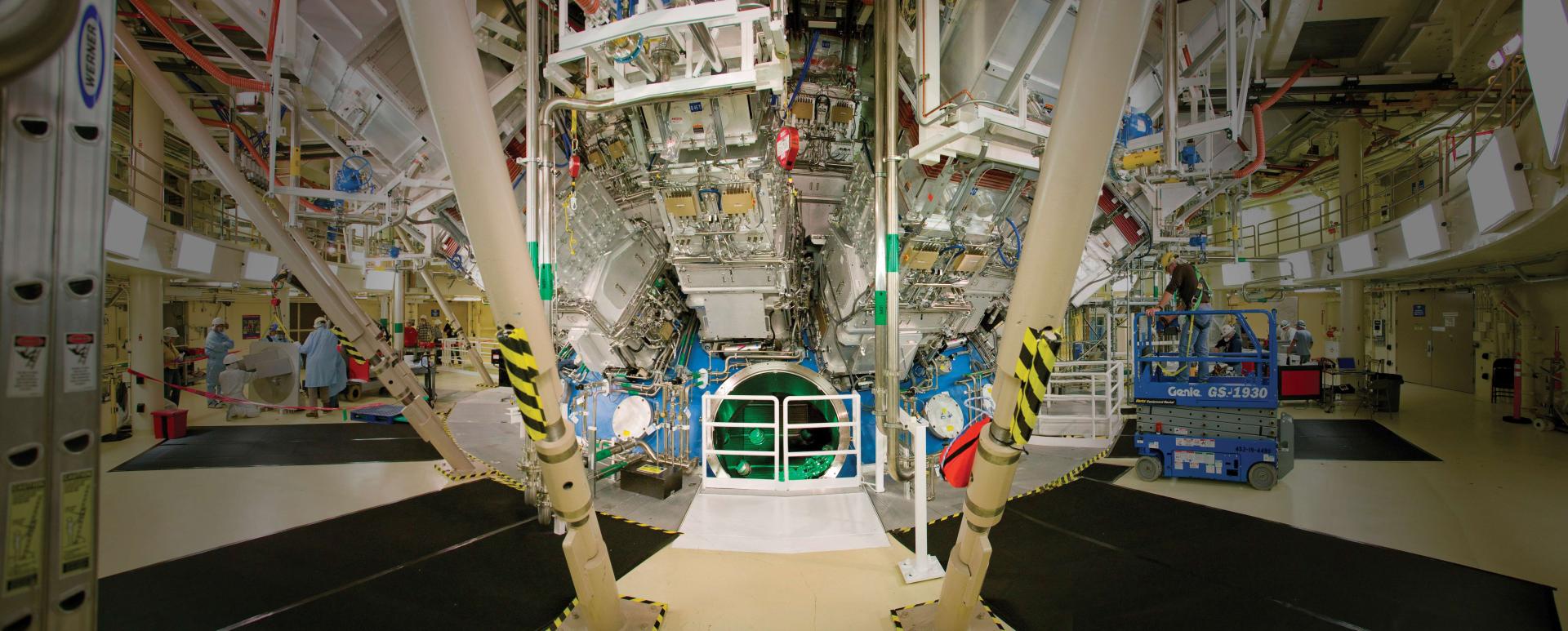
California is a national leader in the development of fusion energy, which has the potential to produce unlimited amounts of clean energy by mimicking the power of the sun. Quantum technology is a cutting-edge field that harnesses the laws of quantum mechanics to build powerful new tools for computing and communications.
Sen. Jerry McNerney’s 5th Senate District includes all of San Joaquin County and Alameda County’s Tri-Valley. He is also chair of the Senate Revenue and Taxation Committee and is a member of the Energy, Utilities and Communications Committee and the Privacy, Digital Technologies, and Consumer Protection Committee.