McNerney Introduces Legislation to Require Human Oversight of AI in CA’s Power Grid
SACRAMENTO – State Sen. Jerry McNerney, D-Pleasanton, today introduced SB 1011, groundbreaking legislation that would require human oversight of artificial intelligence used in California’s power grid.
SB 1011 would ensure human oversight when private and public utilities use AI in their electric and natural gas infrastructure. The bill would require human oversight for high-risk AI decisions, safety testing before deployment, and workforce protections to keep experienced professionals in control of critical utility infrastructure.
“AI has the potential to improve efficiency in California’s power grid and quicken response to wildfires and life-threatening dangers, but AI also presents significant risks. AI can hallucinate – make mistakes that could pose serious threats,” said Sen. McNerney, who is a member of the Senate’s new Privacy, Digital Technologies, and Consumer Protection Committee. “SB 1011 is a commonsense solution that will reduce risk by ensuring that AI use supports human decision-making rather than replacing it.”
SB 1011 is sponsored by the Engineers and Scientists of California Local 20 IFPTE and co-sponsored by the California Federation of Labor Unions and the Utility Workers Union of America Locals 132, 483, and 522.
“SB 1011 is essential to ensure that critical work to maintain the safety and efficiency of our grid is performed by humans with the knowledge, experience, and expertise to do so,” said Francisco Preciado, executive director of the Engineers and Scientists of California Local 20 IFPTE. “Technology is great when it enhances and supports our work in the safe and reliable delivery of power to Californians, but it should only be used by the people who are educated and trained to do this work, not in place of them. This bill protects workers, it protects ratepayers, and it protects the public.”
“Workers who maintain our electric and gas infrastructure deliver essential services to millions of Californians and are critical to public safety and wildfire prevention. We need more human oversight of utilities, not less,” said Lorena Gonzalez, president of the California Federation of Labor Unions, AFL-CIO. “We cannot allow major utility companies like PG&E to use artificial intelligence as an excuse to replace human experts. Outsourcing these highly skilled jobs to AI will only further deteriorate public and workplace safety. SB 1011 is an urgent, commonsense measure to ensure humans, not AI, are making decisions about California's energy grid.”
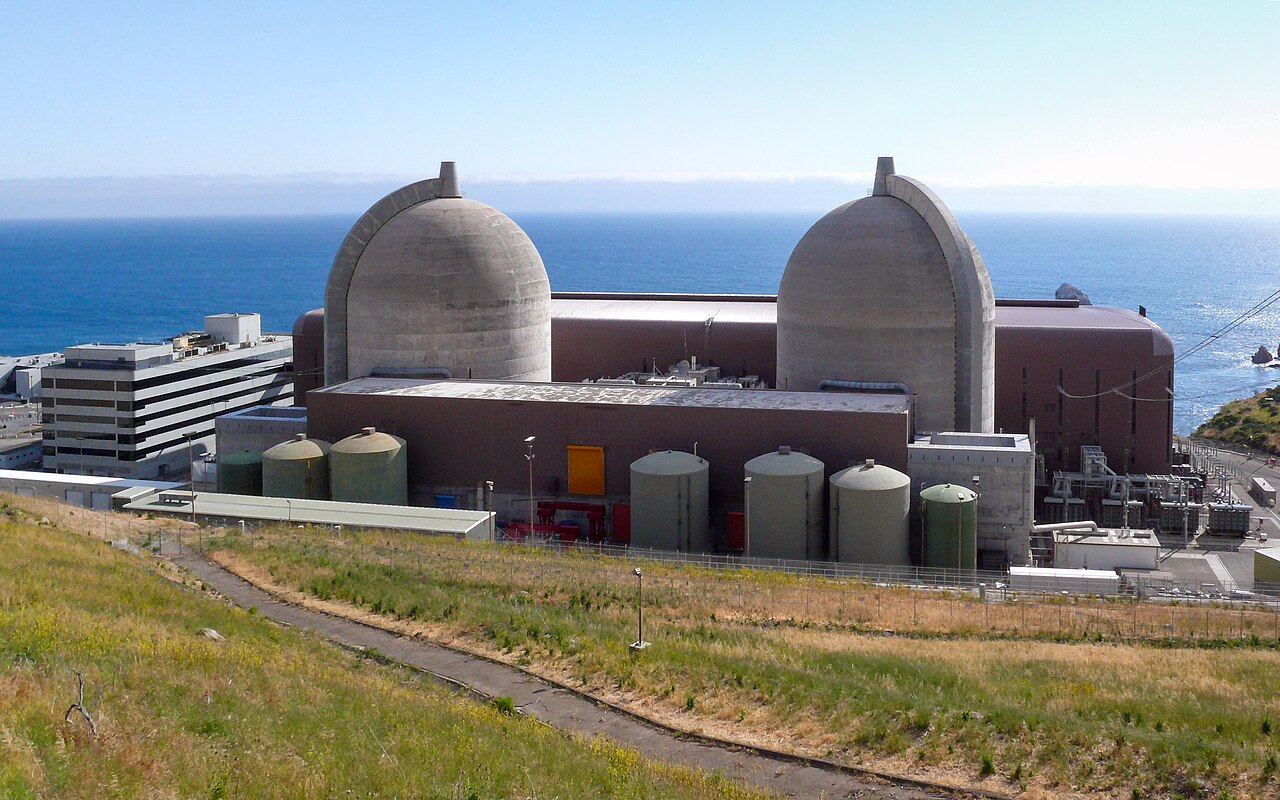
California’s electrical and natural gas infrastructure is essential to public safety, wildfire prevention, and economic stability. As investor-owned utilities and public utilities increasingly deploy AI systems, known as automated decision systems (ADS), including at PG&E’s Diablo Canyon Nuclear Power Plant, new risks are emerging. ADS lacks the professional judgment required to handle high-stakes situations, such as detecting wildfires, malfunctioning equipment, and natural gas leaks, and coordinating emergency response to disasters.
AI also presents other risks, including the fact that it sometimes “hallucinates” – make errors that could lead to dangerous, incorrect advice or actions.
The increased use of ADS by utilities could also result in the loss of numerous well-paying, middle-class jobs.
“Without human oversight, unchecked AI could trigger catastrophic equipment failures, service outages for thousands of residents, or life-threatening safety hazards,” Sen. McNerney added. “California can’t afford to outsource the safety of our power grid to unproven, unmonitored algorithms. California also needs to protect workers in the power sector from widespread job displacement.”
SB 1011 establishes clear statewide guardrails for safe and responsible AI use in utility infrastructure by:
- Requiring human approval before any high-risk AI decision is implemented
- Mandating a licensed engineer sign-off for AI recommendations affecting grid design or safety
- Requiring testing in “staging mode” before AI systems are used in live operations
- Protecting workers with 180 days’ notice of major technology changes
- Requiring retraining and redeployment efforts before layoffs can occur.
SB 1011 is expected to be heard in a Senate committee next month.
Sen. Jerry McNerney is chair of the Senate Revenue and Taxation Committee, and his 5th Senate District includes all of San Joaquin County and Alameda County’s Tri-Valley.